
composite bonding and veneers
Blog Details
 Viransh Dental Clinic & Exclusive Centre for Endodontics

05/01/2026

Composite Bonding vs Veneers: Which One’s Right for You?
Ever been embarrassed about a chipped tooth? Or uneven shape? Perhaps to the point where you try to hide your smile? Well, you’re not the only one! But the good news is there are tons of easy and effective solutions to fix these issues. Cosmetic dentistry has come a long way. You don’t have to go through a significant procedure just to feel good about a little issue. Two of the most popular options available to patients today are veneers and composite bonding. But how do you know which one is best for you?
This guide reveals everything you ever wanted to know about composite bonding vs veneers costs, benefits, differences, and best-case scenario for making the best decision for yourself based on your goals.
1. What is Composite Bonding?
A Quick, Affordable Way to Enhance Your Smile
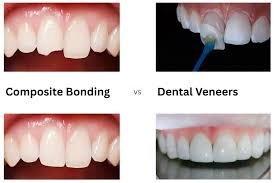
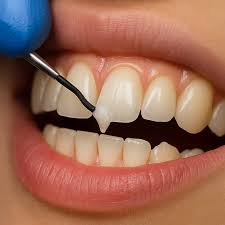
Composite bonding is a minimally invasive cosmetic dental treatment used to improve the shape, color, and appearance of your teeth. Tooth-colored composite resin is carefully applied and sculpted to correct minor imperfections, giving you a natural-looking, confident smile.
What Can Composite Bonding Fix?
Composite bonding is ideal for:
Chipped or cracked teeth
Small gaps between teeth
Discolored or stained teeth
Irregular or uneven tooth shape
Minor alignment issues
Benefits of Composite Bonding
✔ Quick treatment, often completed in one visit
✔ Cost-effective cosmetic solution
✔ Little to no tooth preparation required
✔ Natural-looking results
✔ Painless procedure in most cases
The Composite Bonding Procedure
✔ Tooth shade is matched to your natural teeth
✔ Composite resin is applied to the tooth surface
✔ The material is shaped and sculpted for a perfect look
✔ A special light hardens the resin
✔ Final polishing for a smooth, natural finish
2. What are Veneers?
Veneers are thin, custom-made shells designed to cover the front surface of teeth to improve their appearance. They are a popular cosmetic dental solution for creating a brighter, more even, and confident smile.
What Problems Can Veneers Fix?
⁃ Veneers are ideal for correcting:
⁃ Discolored or stained teeth
⁃ Chipped or broken teeth
⁃ Gaps between teeth
⁃ Uneven, worn, or irregularly shaped teeth
⁃ Mild alignment issues
Types of Dental Veneers
Porcelain Veneers
•Highly durable
•stain-resistant
• natural-looking
•They provide long-lasting results
•a premium smile makeover.
Composite Veneers
•Made from tooth-colored resin
•usually completed in fewer visits.
•A more affordable option
•good aesthetic results.
What are Composite Veneers
A Natural, Affordable Smile Makeover
Composite veneers are thin layers of tooth-colored composite resin applied to the front surface of teeth to enhance their shape, color, and overall appearance. They are an effective cosmetic solution for patients seeking a beautiful smile with minimal tooth preparation.
What Can Composite Veneers Correct?
• Composite veneers are ideal for improving:
• Discolored or stained teeth
• Chipped or worn teeth
• Gaps between teeth
• Uneven or irregularly shaped teeth
• Minor alignment imperfections
Benefits of Composite Veneers
• Cost-effective alternative to porcelain veneers
• Natural-looking results
• Minimal tooth reduction required
• Can often be completed in one or two visits
• Easily repairable if damaged
Composite Veneer Procedure
• Smile assessment and shade selection
• Gentle tooth preparation (if required)
• Application of composite resin to the tooth surface
• Sculpting and shaping for a natural appearance
• Hardening with a special curing light
• Final polishing for a smooth finish
What are Porcelain Veneers
A Premium, Long-Lasting Smile Makeover
Porcelain veneers are ultra-thin, custom-made ceramic shells that are bonded to the front surface of teeth to enhance their color, shape, size, and alignment. Known for their natural appearance and durability, porcelain veneers are one of the most advanced cosmetic dentistry solutions for transforming your smile.
What Can Porcelain Veneers Correct?
• Porcelain veneers are ideal for treating
• Deeply stained or discolored teeth
• Chipped, cracked, or worn teeth
• Gaps between teeth
• Uneven or irregularly shaped teeth
• Mild misalignment or crooked teeth
Benefits of Porcelain Veneers
• Highly natural, lifelike appearance
• Excellent stain resistance
• Long-lasting results (10–15 years or more)
• Custom-designed for each patient
• Instantly improves smile aesthetics
Porcelain Veneer Procedure
• Detailed smile consultation and planning
• Minimal tooth preparation
• Digital impressions or molds taken
• Custom veneer fabrication in a dental laboratory
• Precise bonding of veneers to teeth
• Final adjustments for comfort and appearance
3. Composite Veneers vs Porcelain Veneers – Key Differences
| Feature | Composite Veneers | Porcelain Veneers |
|---|---|---|
| Material | Tooth-colored composite resin | High-quality dental ceramic |
| Treatment Time | Usually completed in 1 visit | Requires 2–3 visits |
| Tooth Preparation | Minimal or no enamel removal | Slight enamel removal required |
| Appearance | Natural look | Highly natural, lifelike appearance |
| Durability | Moderate strength | Very strong and durable |
| Stain Resistance | Can stain over time | Highly stain-resistant |
| Longevity | 5–7 years | 10–15 years or longer |
| Repairability | Easy to repair | Difficult to repair; replacement needed |
| Cost | More affordable | Higher cost |
| Best For | Minor to moderate cosmetic corrections | Long-term, premium smile makeovers |
5.Composite Veneers vs. Porcelain Veneers: Which Is Best and Long-Lasting?
Both composite veneers and porcelain veneers are effective cosmetic dental treatments designed to enhance your smile. The best option depends on your expectations, budget, and how long you want the results to last.
Composite Veneers
Composite veneers are made from tooth-colored resin and are applied directly to the teeth.
Advantages:
‣ More affordable option
‣ Usually completed in a single visit
‣ Minimal tooth preparation
‣Easily repairable if chipped
Longevity:
‣ Composite veneers typically last 5–7 years with proper care.
‣ Best for:
‣ Patients looking for a quick, cost-effective smile improvement for minor to moderate cosmetic concerns.
‣ Porcelain Veneers
Porcelain veneers are custom-made ceramic shells crafted in a dental laboratory.
Advantages:
‣ Highly natural and aesthetic appearance
‣ Excellent stain resistance
‣ Strong and durable
‣ Long-lasting results
Longevity:
Porcelain veneers can last 10–15 years or longer with good oral hygiene and regular dental visits.
Best for:
Patients seeking a premium, long-term smile makeover.
Which Is the Best and Most Long-Lasting Option?
If long-lasting results and superior aesthetics are your priority, porcelain veneers are the best choice.
If you prefer a budget-friendly and faster solution, composite veneers are a good alternative.
A dental consultation will help determine the most suitable option based on your smile goals and oral health.
6. How to choose – Composite Veneers vs Porcelain Veneers
Choosing the right type of veneers depends on your smile goals, budget, and long-term expectations. Both composite and porcelain veneers can enhance your smile, but they are suited for different needs.
Choose Composite Veneers If:
●You want a more affordable cosmetic solution
●You prefer quick results, often in a single visit
●Your cosmetic concerns are minor to moderate
●You want minimal tooth preparation
●You’re open to a solution that may need replacement sooner.
Best for: Patients seeking a fast, cost-effective smile improvement.
Choose Porcelain Veneers If:
● You want the most natural and premium appearance
● You are looking for a long-lasting solution
● You want excellent stain resistance
● You’re correcting multiple or more noticeable cosmetic issues
● You’re comfortable with a higher upfront investment
Best for: Patients wanting a durable, high-quality smile makeover.
Which Option Is Right for You?
Short-term & budget-friendly: Composite veneers
Long-term & premium results: Porcelain veneers
Your dentist will assess your teeth, bite, and oral health to recommend the most suitable option for your smile.
7. Frequently Asked Questions
Q1. Is composite bonding painful?
No, composite bonding is painless, and typically does not require anaesthetic. Because it is not invasive and reversible.
Q2. Will composite bonding fix gaps in teeth?
Yes. Composite bonding is great for gap closure, but for gaps that are larger than expectations or with alignment complications could benefit from veneers or orthodontics.
Q3. Are veneers permanent?
Porcelain veneers are permanent because a small layer of enamel has been removed. Composite resin veneers may remove less enamel and may even be reversed.
Q4. Can I whiten my bonded teeth?
No. Composite resin does not respond to traditional whitening treatments, and if your bonded teeth are stained you may have the option of polishing, or replacement. If whitening your teeth is a priority.